
Chinese Phrases for Beginners: 100 Essential Words & Phrases
Learn the most important Chinese phrases for beginners! Discover 100 essential Mandarin words and phrases to start speaking confidently. Perfect for absolute beginners.

Stepping into the world of Mandarin can feel like embarking on an epic trek up a stunning mountain peak. It's exciting, gorgeous, and at first, a little scary. Thousands of new symbols, different tones of speech, and new uses of the voice can make it difficult to know where to place the first foot.
The trick for fast progress is to learn a lot of very useful and frequent phrases that show the inner workings of the language. There's no such thing as having a large vocabulary in a short period. Rather, a specific toolbox of 100 strategic phrases to solve approximately 80% of everyday situations.
This is not a dictionary list but rather a guide of authentic native expressions placed in real-life situations. Save this page; practice daily, do a few things, and the language will begin to make perfect sense.
But do not worry if you can't learn them all at once, bookmark it, refer to it frequently, and practice a few words at a time. It will come as a surprise how soon the wheels will start to turn.
Looking to begin your Mandarin studies? First let's start with your word list from the first 50 words. There is no need to learn thousands of words in order to become able to speak Chinese. You have to know the right 100 phrases, these are the ones that will be used in 80% of all situations.
This is not a random vocabulary list! These are the expressions that people in the target language actually employ and are grouped by context, so you know exactly what you are looking for.
Know these and you will be able to deal with the majority of simple dealings in Chinese.
1. The Core Survival Toolkit
Prioritize these first 15 entries. They form your fundamental safety net for any initial interaction.
| # | Chinese | Pinyin | English |
|---|---|---|---|
| 1 | 你好 | Nǐ hǎo | Hello / Hi |
| 2 | 多谢 | duō xiè | Thanks a lot |
| 3 | 麻烦 | máfan | Excuse me (to get attention) |
| 4 | 抱歉 | bàoqiàn | My apologies |
| 5 | 没事儿 | Méi shìr | No worries / It is nothing |
| 6 | 拜拜 | Bái bái | Bye-bye |
| 7 | 对的 | Duìde | That's right / Correct |
| 8 | 不对 | Búduì | That's wrong / Incorrect |
| 9 | 行 | Xíng | Sure / Sounds good |
| 10 | 我没听懂 | Wǒ méi tīng dǒng | I didn't understand |
| 11 | 麻烦再说一遍 | Máfan zài shuō yí biàn | Could you repeat that, please? |
| 12 | 这个怎么卖? | zhè ge zěnme mài? | How much is this? |
| 13 | 这个 | zhè ge | This |
| 14 | 那个 | nà ge | That |
| 15 | 在哪儿? | zài nǎ r? | Where is it? |
2. Socializing & Polite Greetings
Smooth out your daily encounters and show respect with these polite conversational staples.
| # | Chinese | Pinyin | English |
|---|---|---|---|
| 16 | 早安 | Zǎo’ ān | Good morning |
| 17 | 晚上好 | Wǎnshang hǎo | Good evening |
| 18 | 早点睡吧 | Zǎo diǎn shuì ba | Go to bed early |
| 19 | 最近怎么样? | Zuìjìn zěnmeyàng? | How have you been doing? |
| 20 | 挺好的 | Tǐng hǎo de | I am doing quite well |
| 21 | 你怎么样? | Nǐ zěnme yàng? | How are you doing? |
| 22 | 很高兴认识你 | Hěn gāoxìng rènshi nǐ | Nice to meet you |
| 23 | 劳驾 | láo jià | Excuse me / Pardon me |
| 24 | 没事,不用谢 | méishì, bù yòng xiè | You're welcome / No problem |
| 25 | 欢迎光临 | huān yíng guāng lín | Welcome (to our home/shop) |
| 26 | 麻烦问一下 | Máfan wèn yíxià | Excuse me, a quick question... |
| 27 | 您慢走 | Nín màn zǒu | Take care on your way, Goodbye (to a guest leaving) |
| 28 | 待会儿见 | Dāi huìr jiàn | Catch you later |
| 29 | 很久不见了 | Hěn jiǔ bù jiàn le | Long time no see |
| 30 | 保持联系 | bǎochí liánxì | Keep in touch |
3. Sharing Your Background & Identity
Great for making connections, introducing yourself to new people, and explaining your background.
| # | Chinese | Pinyin | English |
|---|---|---|---|
| 31 | 叫我...就行 | Jiào wǒ.... jiù xíng | You can just call me... |
| 32 | 怎么称呼您? | Zěnme chēnghu nín? | How should I address you? |
| 33 | 我从美国来 | wǒ cóng Měiguó lái. | I'm from America |
| 34 | 我在英国出生 | Wǒ zài Yīngguó chūshēng. | I was born in the UK. |
| 35 | 你是哪个国家的? | Nǐ shì nǎ ge guó jiā de? | Which country are you from? |
| 36 | 我的家乡是... | Wǒ de jiāxiāng shì... | My hometown is... |
| 37 | 我现在住在.. | Wǒ xiànzài zhù zài... | I am currently residing in... |
| 38 | 我正在学习汉语 | Wǒ zhèngzài xuéxí hànyǔ. | I am learning Chinese |
| 39 | 我只会讲一点点中文 | Wǒ zhǐ huì jiǎng yìdiǎn diǎn Zhōngwén. | I only speak a little bit of Chinese |
| 40 | 你懂英语吗? | Nǐ dǒng Yīngyǔ ma? | Do you speak/understand English? |
| 41 | 我还在上学 | Wǒ hái zài shàngxué. | I'm still in school / I'm a student |
| 42 | 我的职业是... | Wǒ de zhíyè shì... | My job is... / I work as a... |
4. Dining & Ordering at Restaurants
Navigating culinary experiences is a fantastic way to utilize your expanding language skills.
| # | Chinese | Pinyin | English |
|---|---|---|---|
| 43 | 来一个这个 | Lái yí gè zhè ge | I'll have one of this, please |
| 44 | 看一下菜单,谢谢 | Kàn yíxià càidān, xiè xie | Can I see the menu, please? |
| 45 | 你们的招牌菜是什么? | Nǐmen de zhāopáicài shì shénme ? | What are your specialties / recommendations? |
| 46 | 来一杯白开水 | Lái yìbēi bái kāishuǐ | A glass of plain water, please |
| 47 | 我想点杯咖啡 | Wǒ xiǎng diǎn bēi kāfēi. | I would like to order a coffee |
| 48 | 拿一瓶啤酒吧 | Ná yì píng píjiǔ ba. | Let me have a bottle of beer |
| 49 | 一点辣都不要 | Yì diǎn là dōu bù yào | Keep it entirely mild / No spice |
| 50 | 盐少放一些 | Yán shǎo fàng yìxiē | Less salt, please |
| 51 | 我不吃肉 | Wǒ bù chī ròu. | I don't eat meat. |
| 52 | 我吃素 | Wǒ chī sù. | I am a vegetarian |
| 53 | 结账 | Jié zhàng | Bill, please / Check, please |
| 54 | 刷卡行吗? | Shuā kǎ xíng ma? | Can I pay by card? |
| 55 | 味道真棒 | Wèidào zhēn bàng. | This tastes incredible |
| 56 | 吃饱了 | Chī bǎo le | I am full / I am stuffed |
| 57 | 打包 | Dǎ bāo | To go / Wrap it up, please |
5. Navigation & Asking for Directions
Ensure your journeys go smoothly and avoid getting stranded with these fundamental transit phrases.
| # | Chinese | Pinyin | English |
|---|---|---|---|
| 58 | ...往哪儿走? | ...wǎng nǎr zǒu? | Which way is the...? |
| 59 | 洗手间在哪儿? | Xǐshǒu jiān zài nǎr? | Where is the restroom? |
| 60 | 我打算去... | Wǒ dǎsuàn qù... | I'm planning to go to... |
| 61 | 走哪条路能到? | Zǒu nǎ tiáo lù néng dào? | Which road goes there? / How do I get there? |
| 62 | 离这儿远吗? | Lí zhèr yuǎn ma? | Is it far from here? |
| 63 | 左拐 | Zuǒ guǎi | Take a left turn |
| 64 | 右拐 | Yòu guǎi | Take a right turn |
| 65 | 一直往前走 | Yìzhí wǎng qián zǒu | Go straight ahead |
| 66 | 地铁口 | dì tiě kǒu | Subway station entrance |
| 67 | 火车站 | huǒchē zhàn | Railway station |
| 68 | 航站楼 | háng zhàn lóu | Airport terminal |
| 69 | 停这儿吧 | Tíng zhèr ba | Please pull over right here |
| 70 | 我找不到路了 | Wǒ zhǎo bù dào lù le | I am lost./ I can't find my way. |
| 71 | 能帮我个忙吗? | Néng bāng wǒ ge máng ma? | Could you help me out? |
| 72 | 劳驾带我去... | Láojià dài wǒ qù... | Could you please take me to...? |
6. Retail & Bargaining Skills
Shop smoothly, inquire about sizing, and negotiate prices like a seasoned resident.
| # | Chinese | Pinyin | English |
|---|---|---|---|
| 73 | 这个多少钱? | Zhè ge duō shao qián? | How much is this? |
| 74 | 价格有点高 | Jiàgé yǒu diǎn gāo | That's a bit expensive |
| 75 | 便宜点吧 | Piányi diǎn ba | Can you make it cheaper? |
| 76 | 我能试穿吗? | Wǒ néng shìchuān ma? | Can I try this on? |
| 77 | 还有别的颜色吗? | Hái yǒu biéde yánsè ma? | Do you have this in other colors? |
| 78 | 有没有大号的? | Yǒu méi yǒu dà hào de? | Is there a large size available? |
| 79 | 有没有小一号的? | Yǒu méi yǒu xiǎo yíhào de? | Do you have a smaller size? |
| 80 | 这件我要了 | Zhè jiàn wǒ yào le. | I'll take this one |
| 81 | 那就算了吧 | Nà jiù suàn le ba. | Never mind then / I'll pass |
| 82 | 我随便看看 | Wǒ suíbiàn kànkan. | I'm just looking around / Just browsing |
| 83 | 小票 | xiǎo piào | Proof of purchase / Receipt |
| 84 | 能不能退货? | néng bù néng tuì huò? | Can I return this? |
7. Tracking Time & Managing Schedules
Keep your appointments, clarify periods, and understand structural timing with these essentials.
| # | Chinese | Pinyin | English |
|---|---|---|---|
| 85 | 请问现在几点了? | Qǐngwèn xiànzài jǐ diǎn le? | Excuse me, what time is it now? |
| 86 | 今儿个 | jīnr gè | Today (Northern dialect) |
| 87 | 明儿个 | míngr gè | Tomorrow (Northern dialect) |
| 88 | 昨儿个 | zuór gè | Yesterday (Northern dialect) |
| 89 | 啥时候? | shá shíhou? | When? / What time? (Casual) |
| 90 | 什么时候开始? | shénme shíhou kāi shǐ? | What time does it start? |
| 91 | 整整一小时 | zhěngzhěng yì xiǎo shí | A full hour |
| 92 | 半个钟头 | bàn ge zhōngtóu | Half an hour |
| 93 | 稍等片刻 | Shāoděng piàn kè | Just a moment / Wait a second |
| 94 | 动作快点 | Dòngzuò kuài diǎn | Hurry up! / Move faster |
8. Urgent & Emergency Expressions
Keep these terms tucked away safely. They ensure you can ask for immediate protection or care if things go sideways.
| # | Chinese | Pinyin | English |
|---|---|---|---|
| 95 | 来人啊,救命! | Lái rén a, jiù mìng! | Emergency! / Somebody help! |
| 96 | 需要协助 | Xūyào xiézhù | I need assistance |
| 97 | 快叫大夫来 | Kuài jiào dàifu lái. | Call a doctor quickly! |
| 98 | 赶紧报警 | Gǎnjǐn bàojǐng. | Call the police right now! |
| 99 | 我的护照不见了 | Wǒ de hùzhào bù jiàn le. | My passport is missing |
| 100 | 我身体不舒服 | Wǒ shēntǐ bù shū fu. | I don't feel well |
The 6-Week Master Plan
Week 1: Survival (1–15)
- Action: Learn 3 phrases a day (Mon–Fri).
- Practice: Say each phrase out loud 10 times daily.
- Weekend: Review all 15 phrases.
Week 2: Socializing (16–30)
- Action: Learn 3 phrases a day.
- Practice: Say them out loud 10 times. Try linking them into mini-conversations.
- Weekend: Quick review of Weeks 1 and 2.
Week 3: Identity & Dining (31–57)
- Action: Learn 5 phrases a day.
- Practice: Say them out loud 10 times. Imagine ordering at a real restaurant.
Week 4: Directions (58–72)
- Action: Learn 3 phrases a day.
- Practice: Say them out loud 10 times. Use hand gestures for left, right, and straight to lock in memory.
Week 5: Shopping (73–84)
- Action: Learn 2–3 phrases a day.
- Practice: Say them out loud 10 times. Practice acting out a bargaining scene.
Week 6: Time & Emergencies (85–100)
- Action: Learn 3 phrases a day.
- Practice: Say them out loud 10 times.
- Weekend: Do a final celebratory run-through of all 100 phrases!
3 Golden Rules
- Consistency beats intensity: 10 minutes every day is better than a 2-hour cram session on weekends.
- Speak, don't just read: Always practice out loud to train your mouth muscles and tones.
- Use smart tools: Put your toughest phrases into a flashcard app like Anki or Pleco for quick daily reviews.
Beyond the 100 Phrases: Your Next Steps
Once you have these 100 expressions down, you will have a solid foundation for general travel and basic socializing. But where should you go from here? Here is how to keep advancing:
- Target Specialized Vocabulary: Expand your word bank based on your personal life, whether that means learning industry-specific jargon for your career or terms related to your favorite hobbies.
- Master Structural Grammar: Shift from memorizing set phrases to understanding sentence formulas. This allows you to mix, match, and construct your own original thoughts.
- Focus on Auditory Training: Speaking is only half the battle. Dedicate time to listening practice so you can easily comprehend native speakers when they reply to you.
- Introduce Character Reading: Begin recognizing Chinese characters step-by-step to transition from purely spoken practice to basic reading and texting.
Honestly? Do not rush it. These 100 core phrases are incredibly powerful and will easily carry you through most everyday encounters. Consider them the vital launchpad for everything you choose to learn next.
FAQs
1. Is mastering tones necessary from day one?
Yes. Mandarin relies on pitch to change meanings. For instance, a flat mā means "mother," while a falling mà means "to scold." Learning tones early prevents major communication mix-ups.
2. Should I learn characters or just stick to Pinyin at first?
Starting with Pinyin is perfect for quick conversational skills. However, gradually introducing characters builds better long-term memory. Most Connect Mandarin students focus on speaking first, then add reading.
3. How often should I review these phrases?
Daily review for just 15 to 30 minutes is ideal. Use flashcard apps like Pleco, or put sticky notes on objects around your house to keep them fresh.
4. Will I be fluent after learning these 100 phrases?
Not completely fluent, but you will easily navigate basic travel, dining, shopping, and introductions. These are the essential building blocks for real-world interactions.
5. Can I practice these expressions in a class?
Absolutely. A structured class at Connect Mandarin helps you string these phrases into real conversations and fixes your pronunciation with instant teacher feedback.
6. What if native speakers talk too fast for me to understand?
Don't panic. Use phrase #11 ("Could you repeat that, please?") or say “Màn yīdiǎn” (Slower, please). Locals are usually happy to slow down for beginners.
About the Author
Connect Mandarin Team
We are built by a team of native-speaking teachers and language educators who focus on real, usable Chinese - not just textbook phrases. With 15+ years of combined teaching experience.
Continue Reading
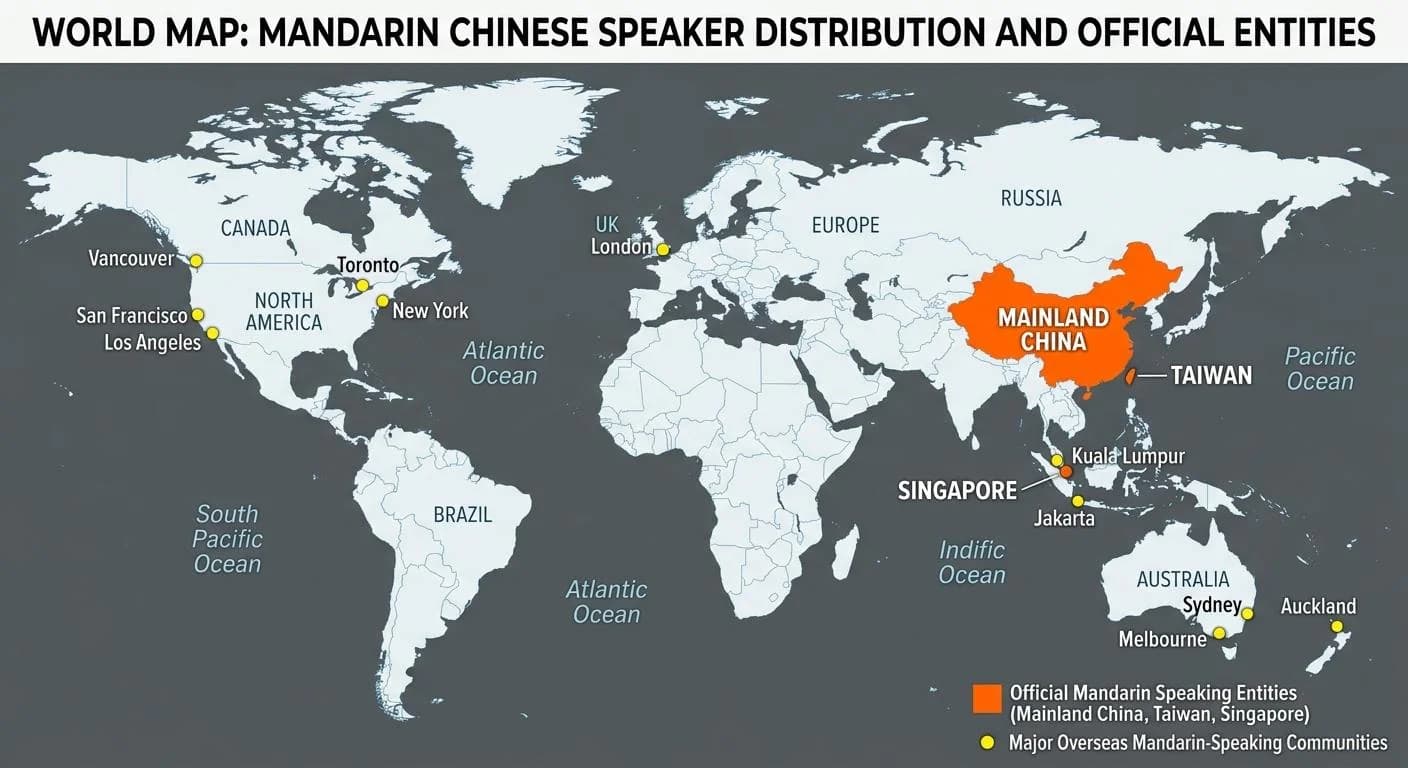
What Countries Speak Mandarin? Official Languages and Where It Is Spoken Worldwide
Which countries speak Mandarin? See where it's official (China, Taiwan, Singapore), where it's widely spoken, and which version to learn first.
What Are You Doing in Chinese? 你在做什么 (Nǐ Zài Zuò Shénme) Explained
Learn how to say "what are you doing" in Chinese, from the textbook-standard 你在做什么 to the casual Beijing favorite 你在干嘛, with pinyin, tone tips, and real dialogues.

Where Are You From in Chinese? (5 Natural Ways to Ask in Mandarin)
Learn 5 natural ways to ask "where are you from" in Chinese, from the everyday nǐ shì nǎlǐ rén to the formal nǐ láizì nǎlǐ, with pinyin and real conversation examples.